TOPCon Solar Panel
A solar panel, or photovoltaic (PV) module, is a device that converts sunlight directly into electricity using the photovoltaic effect. The process begins at the cellular level and progresses through the assembly of various components into a finished panel.
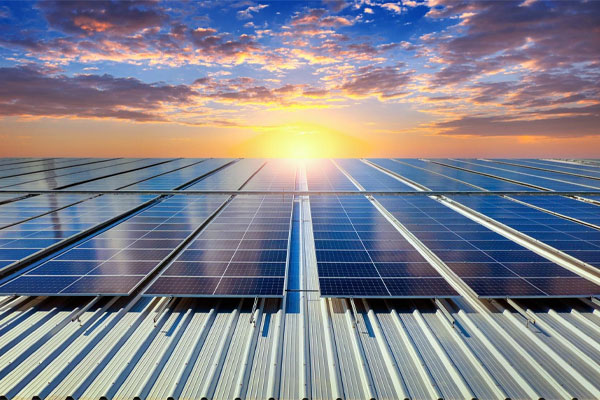
From cell to panel
- Solar cell: The fundamental unit of a solar panel is the photovoltaic (PV) cell, which is typically made from a semiconductor material, most commonly silicon. When photons from the sun strike the cell, they knock electrons loose from their atoms. A built-in electric field drives these electrons to flow in a single direction, producing a direct current (DC). A single solar cell produces a small amount of power, typically 1 to 2 watts.
- Solar module (panel): To achieve a usable voltage and power output, many solar cells are wired together in series and parallel within a protective casing. This assembled unit is a solar module, or what is commonly called a solar panel.
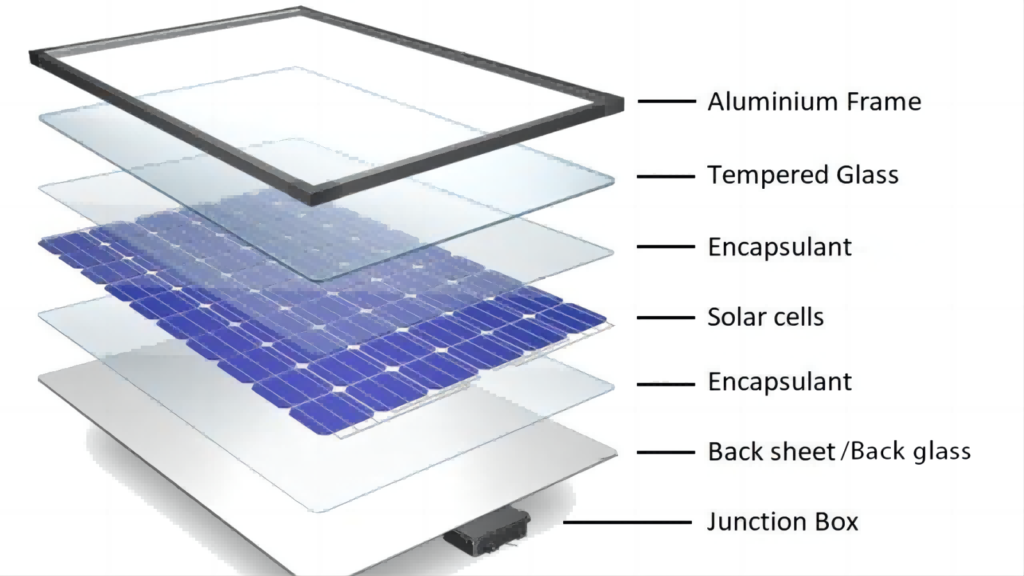
Basic Components of Solar PV Module
A typical panel consists of several layers to protect the delicate cells and ensure longevity.
- Glass layer: The top & bottom surface is made of low-iron tempered glass to maximize light transmission while protecting the cells from weather and impact.
- Encapsulant: The solar cells are laminated between two layers of EPE film, which acts like glue to protect the cells from moisture and dust.
- Frame: An aluminum alloy frame holds the layers together, provides structural support, and allows for mounting.
- Junction box: Attached to the back of the panel, this weatherproof box houses bypass diodes and electrical wiring for connecting the panel to other parts of the system.
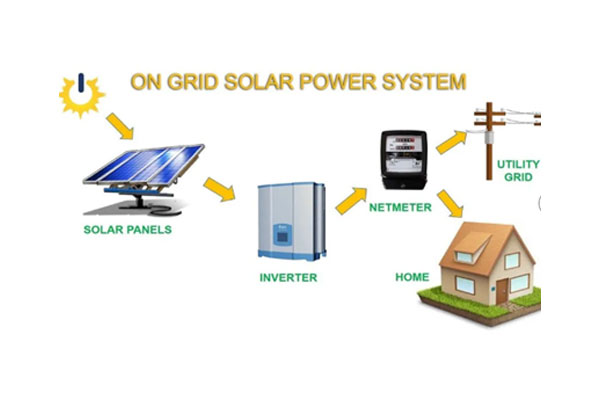
Working of Solar PV System:
- Sunlight Absorption: Photons from sunlight strike the PV cells in the solar panels.
- Electricity Generation: The energy from the photons creates an electrical charge by knocking electrons free within the semiconductor material of the cell, producing a flow of DC electricity.
- Inverter Conversion: The DC electricity is then sent to an inverter, which converts it into AC electricity, making it usable for powering homes.
- Power Distribution: The AC electricity can power devices in your home directly or be sent back into the main electrical grid if there is more energy being produced than is needed.
Solar Technologies
The solar energy industry is continuously evolving, with advancements in photovoltaic (PV) technology driving efficiency and cost-effectiveness. Three of the most popular solar cell technologies today are: PERC, TOPCon & HJT.
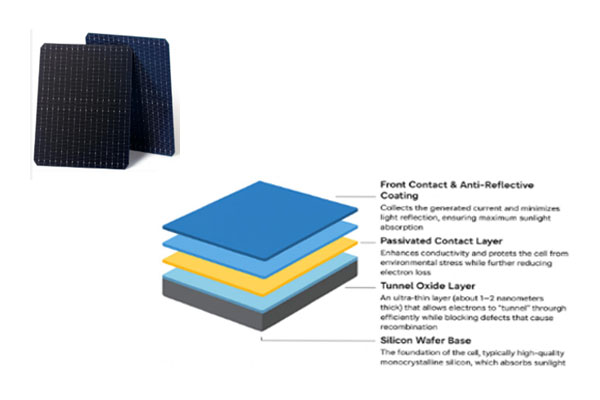
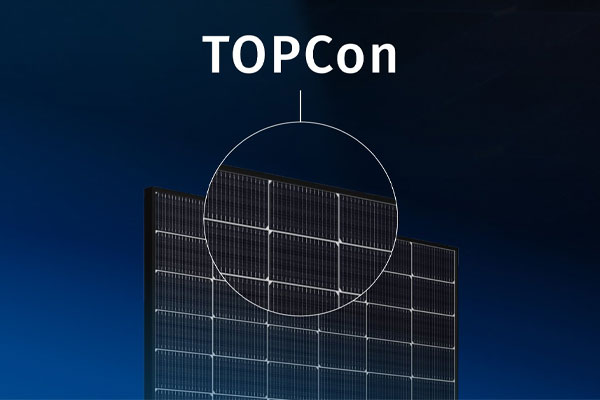
TOPCon (Tunnel Oxide Passivated Contact)
TOPCon is a more advanced version of the PERC cell, building upon its foundation with additional layers for higher efficiency. It adds an ultra-thin layer of silicon dioxide (tunnel oxide) and a layer of doped polysilicon to the rear of the cell. The tunnel oxide is thin enough to allow electrons to “tunnel” through, while blocking holes and further reducing recombination. This design leads to higher efficiency, better performance in high-temperature and low-light conditions, and lower degradation over time. A major advantage of TOPCon is its compatibility with existing PERC manufacturing lines, which lowers the capital expenditure for upgrading facilities.
Introduction to TOPCon Solar Module Technology
Salient Features of Sudarshan Saur’s TOPCon Glass to Glass Modules:
Higher Efficiency
TOPCon modules achieve higher conversion rates up to 23% by minimizing electron recombination and maximizing light absorption, resulting in greater energy production per unit area.
Improved Low-Light Performance
These panels perform better in cloudy conditions and during early mornings or late afternoons, increasing overall energy yield.
Excellent Temperature Resistance
TOPCon cells have a lower temperature coefficient (around -0.30%/°C), meaning they lose less efficiency in high temperatures, making them more resilient in hot environments.
Low Degradation
The technology significantly reduces light-induced degradation (LID) caused by boron-oxygen pairs in the cells, leading to a longer lifespan and sustained performance over time.
Enhanced Energy Yield
The combination of higher efficiency, better low-light performance, and reduced degradation results in a higher total energy yield from a solar installation over its lifetime.
Higher Bifaciality
TOPCon technology allows for a higher bifacial rate, meaning the back of the panel can absorb and convert sunlight more effectively, further increasing energy generation.
Cost-Effectiveness and Adaptability
Existing PERC manufacturing lines can be upgraded to TOPCon with relatively low capital investment, making it a feasible and cost-effective technology upgrade.
Reliability and Durability
The use of passivated contacts and the thin tunnel oxide layer protect the cell from moisture and temperature fluctuations, improving overall module stability and durability.
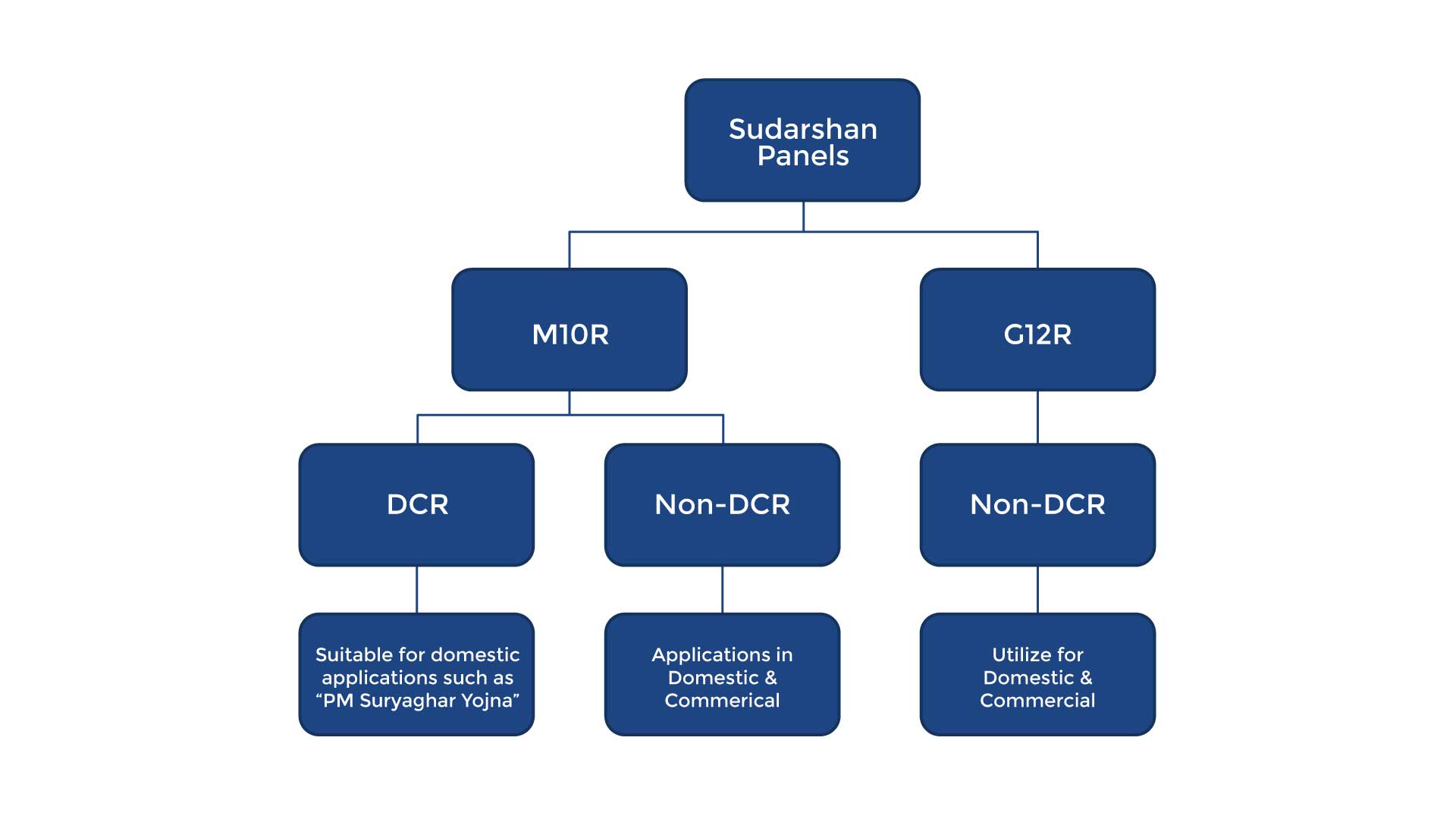
Sudarshan Saur offers two major categories of panel: